Why Protecting Your Muscle Matters More Than Ever After 35
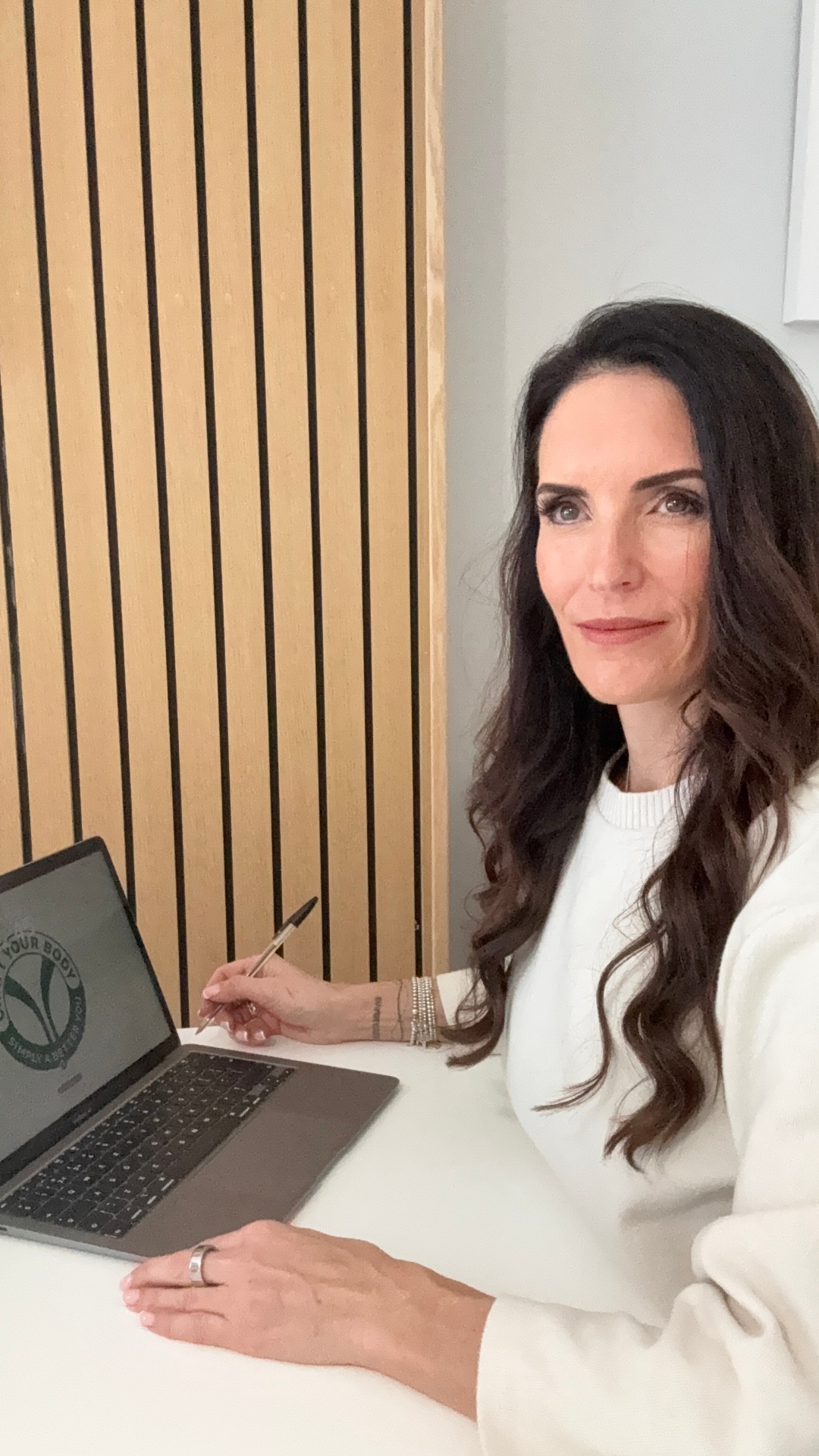
By Caroline Grey, Founder of Craft Your Body
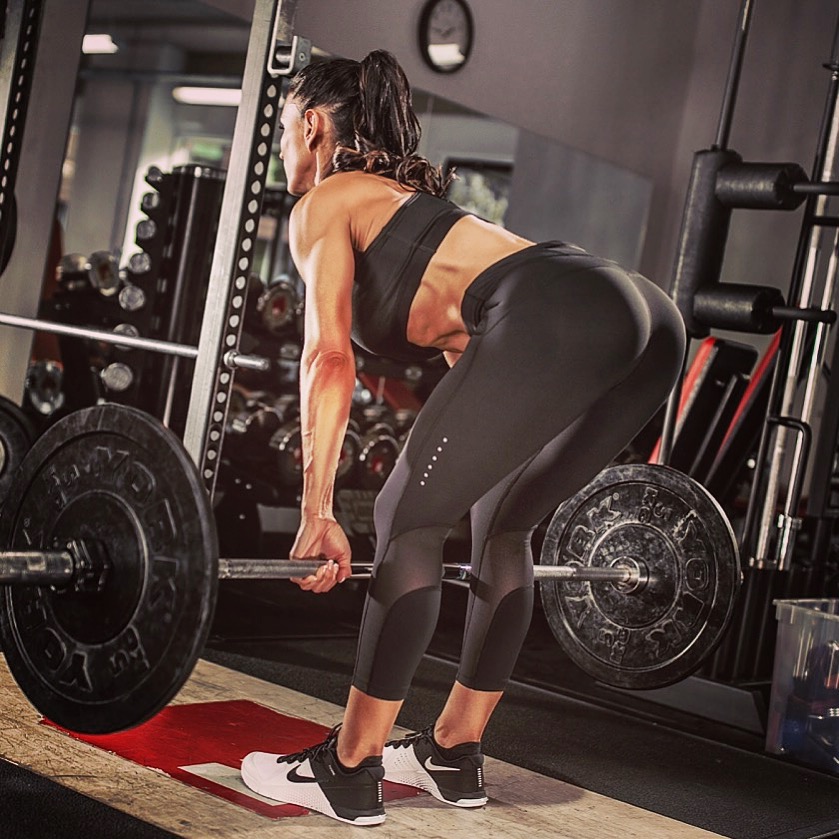
Strength training is one of the best investments you can make for your body after 35 and through midlife — supporting muscle, bone health, metabolism and confidence. If I could get one message across to every woman reading this, it would be this: protect your muscle at all costs.
What happens to muscle as we age
From our 30s onwards we gradually start to lose muscle — and if we do nothing about it, that loss speeds up as the years go on. Through perimenopause and menopause, falling oestrogen makes it even harder to hold on to. It happens quietly. You don't wake up one morning and notice it; you just find things feel a bit harder, your shape changes, and the habits that used to work no longer seem to.
The good news is that it isn't inevitable. Muscle responds to strength training at any age. Women in their 50s, 60s and beyond can build muscle — I'm living proof of that in my 50s, and so are the women I coach.
Why muscle matters so much
You'll be smaller, firmer and leaner — even at the same weight
A kilo of muscle and a kilo of fat weigh exactly the same, but muscle is far denser, so it takes up much less space. That's why two women can stand on the scales at the same weight and look completely different. As you build muscle and lose fat, your clothes fit better and you look leaner — even if the number on the scales barely moves. It's one of the reasons I tell clients not to let the scales be their only measure of progress.
Muscle needs more fuel, so it burns more at rest
Muscle is active tissue. Even when you're sitting still it needs energy to maintain itself, whereas fat needs very little. The difference per kilo isn't huge on its own, but over time, more muscle means a body that uses more fuel day in, day out — and it means you can eat well, without restriction, and still keep your body composition where you want it.
Strong muscles protect your joints and bones
Muscles act like scaffolding around your joints — supporting your knees, hips, back and shoulders so they're not taking all the load. And when muscle pulls on bone during strength training, it tells your bones to stay strong. As oestrogen falls through perimenopause and menopause, bone density drops quickly, so this matters more now than at any other point in your life. Strength makes you more robust.
Better blood sugar and energy
Muscle is the biggest place your body stores glucose. More muscle gives that glucose somewhere useful to go, which helps steady blood sugar, energy and cravings — something many women notice changing in midlife as hormones shift.
Balance, posture and independence
Strength is what lets you carry the shopping, lift the suitcase into the overhead locker, get up off the floor and keep up with the grandchildren one day. Stronger legs and core also improve balance, which lowers the risk of falls later in life. This is the long game — staying capable and independent for decades to come.
Mood, confidence and how you feel in your body
There's nothing quite like lifting something you couldn't lift a month ago. Strength training is brilliant for mood, stress and sleep, and the confidence it builds spills over into everything else. Women often tell me it's the first time in years they've felt proud of what their body can do, not just how it looks.
Why cardio and dieting alone won't do it
So many women I speak to have spent years doing lots of cardio and eating less and less. Walking, classes and cardio are brilliant for your heart and your head — I walk every day — but on their own they don't give your muscles a reason to stay. And cutting calories hard without strength training means you lose muscle along with fat, which leaves you smaller but softer, and often more tired.
Muscle needs two things: a reason to stay (lifting something challenging, regularly) and the building blocks to repair (enough protein, spread across the day). Get those two right and everything else gets easier.
Where to start
- Lift two to three times a week. Squat, hinge, push, pull and carry. You don't need hours — 30 to 45 minutes is plenty.
- Make it progressive. Over time, gradually lift a little heavier or do a little more. That's what tells your body to keep building.
- Prioritise protein. Aim for a good portion at every meal — around 30g is a helpful target.
- Recover well. Muscle is built when you rest, not just when you train. Sleep and rest days matter.
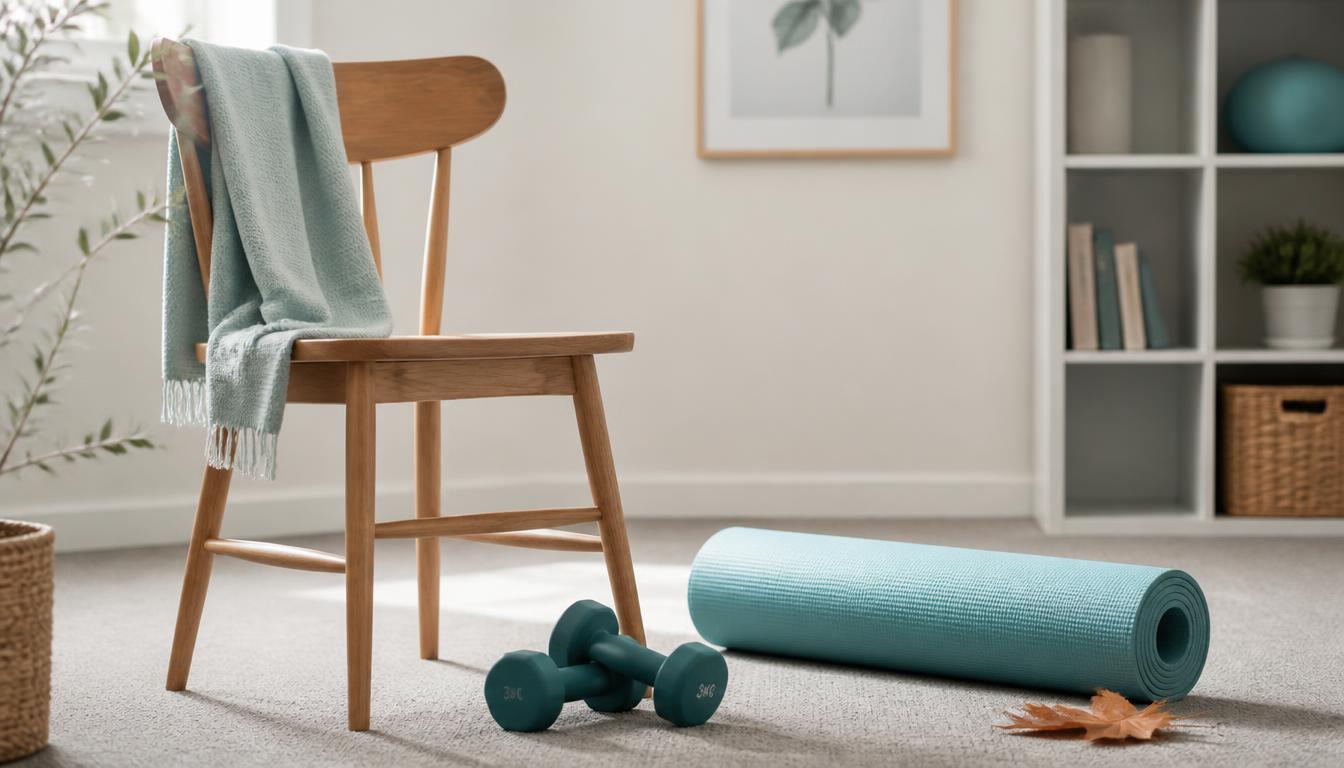
If you'd like to get going today, my Reset Workout is a simple strength plan you can do at home with a chair and a pair of dumbbells, with a free printable download. And if you're curious about supplements that support muscle, read why I take 5g of creatine every day.
The long game
This isn't about a quick transformation. It's about building a body that's strong, capable and resilient for the decades ahead. Every session you do now is an investment in the woman you'll be at 60, 70 and beyond.
Not sure where to begin?
Strength training needs to be progressive, and that's where a coach makes the difference. If you'd like help building a plan that fits your life and grows with you, book a free 30-minute discovery call — relaxed, no pressure. Or email me at hello@craftyourbody.com.