Why Every Midlife Woman Should Consider Creatine
By Caroline Grey, Founder of Craft Your Body
The supplement I'd never go without
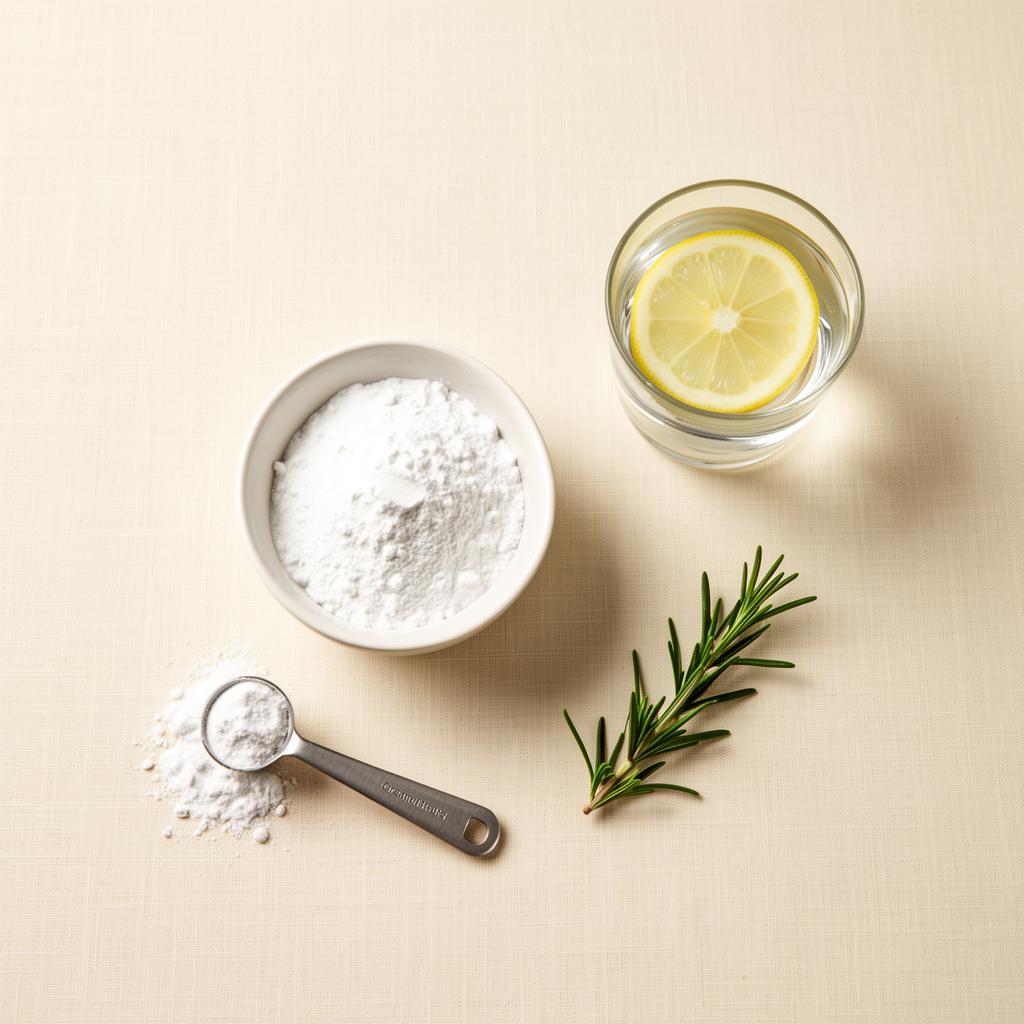
I'm asked all the time what supplements I take. My answer is short — I keep it simple, evidence-based and minimal. But there's one I take every single day without fail: 5g of creatine monohydrate.
For decades creatine was branded as a supplement for young male gym-goers. The reality? It's arguably one of the most beneficial supplements a woman in midlife can take — and the research is finally catching up to what those of us in the strength world have known for years.
What is creatine, in plain English?
Creatine is a compound your body already makes naturally and that you get in small amounts from foods like red meat and fish. It's stored in your muscles (and brain) and used to produce quick bursts of energy — for lifting, sprinting, climbing the stairs with the shopping, or simply getting up off the floor.
The problem? Most women don't get enough through diet alone, and our natural levels tend to be lower than men's to start with. Supplementing with a small daily dose tops up those stores so your muscles — and brain — have more fuel available, all the time.
Why creatine matters even more in midlife
Perimenopause and menopause bring real, measurable changes: declining oestrogen, accelerated muscle and bone loss, shifts in body composition, brain fog, lower energy and slower recovery. Creatine quietly supports almost every one of those areas.
Protects and builds lean muscle
From our late 30s onwards we naturally lose muscle mass each decade — a process accelerated by the drop in oestrogen during perimenopause and menopause. Creatine helps your muscles produce more energy during strength training, which means you can train harder, recover better and hold onto (and build) the lean muscle that protects your metabolism, posture and independence as you age.
Supports bone density
Combined with resistance training, creatine has been shown in research to support bone health — a major concern in midlife when the risk of osteopenia and osteoporosis rises sharply. Stronger muscles pull harder on bones, and creatine helps you train at the intensity needed to drive that adaptation.
Boosts brain function and mood
Creatine isn't just for muscles — your brain uses it too. Studies suggest it can support memory, mental clarity, focus and even mood, particularly under stress, sleep deprivation or hormonal fluctuation. For midlife women dealing with brain fog, this is one of the most underrated benefits.
Helps energy, recovery and training capacity
Creatine helps regenerate ATP — your body's primary energy currency. The result: better strength output, less mid-set fatigue, and faster recovery between sessions. In a midlife life that's already pulling you in ten directions, that extra capacity is gold.
Safe, well-researched and simple
Creatine monohydrate is one of the most thoroughly researched supplements in the world, with decades of safety data in healthy adults. It's not a stimulant, it's not a hormone, and it doesn't require cycling. Just a small daily dose, consistently.
How I take it — 5g daily, every day
I take 5g of creatine monohydrate every day, mixed into water, my morning coffee or a protein shake. There's no need for a "loading phase" — slow and steady builds your stores within a few weeks and keeps them topped up.
A few practical tips:
- Choose creatine monohydrate — it's the most studied, most effective and most affordable form. Don't be tempted by fancy "advanced" versions.
- Take it daily, not just on training days — it works by saturating your muscles over time, not as a pre-workout boost.
- Pair it with protein and strength training — creatine isn't magic on its own. It amplifies the work you're already doing.
- Drink plenty of water — creatine pulls water into your muscle cells (a good thing), so stay well hydrated.
A quick word on what creatine isn't
Creatine won't make you "bulky" — that's a myth and physiologically not how women's bodies respond. It won't make you retain water in a visible, puffy way. It's not a steroid or a hormone. And it won't replace strength training, sleep, protein or stress management — but it will quietly support all of them.
My honest recommendation
If you're a woman in midlife who is strength training (or about to start), creatine is one of the simplest, safest and most evidence-backed additions you can make to your daily routine. 5g a day. That's it. Combined with consistent training, enough protein, good sleep and managing stress, it can make a real, felt difference to how strong, sharp and energised you feel.
As always, if you take prescription medication or have a health condition, check with your GP first. But for the vast majority of healthy midlife women, this is one supplement I'd put near the top of the list.
You may also enjoy
Keep reading — more practical advice from the Resource Hub.
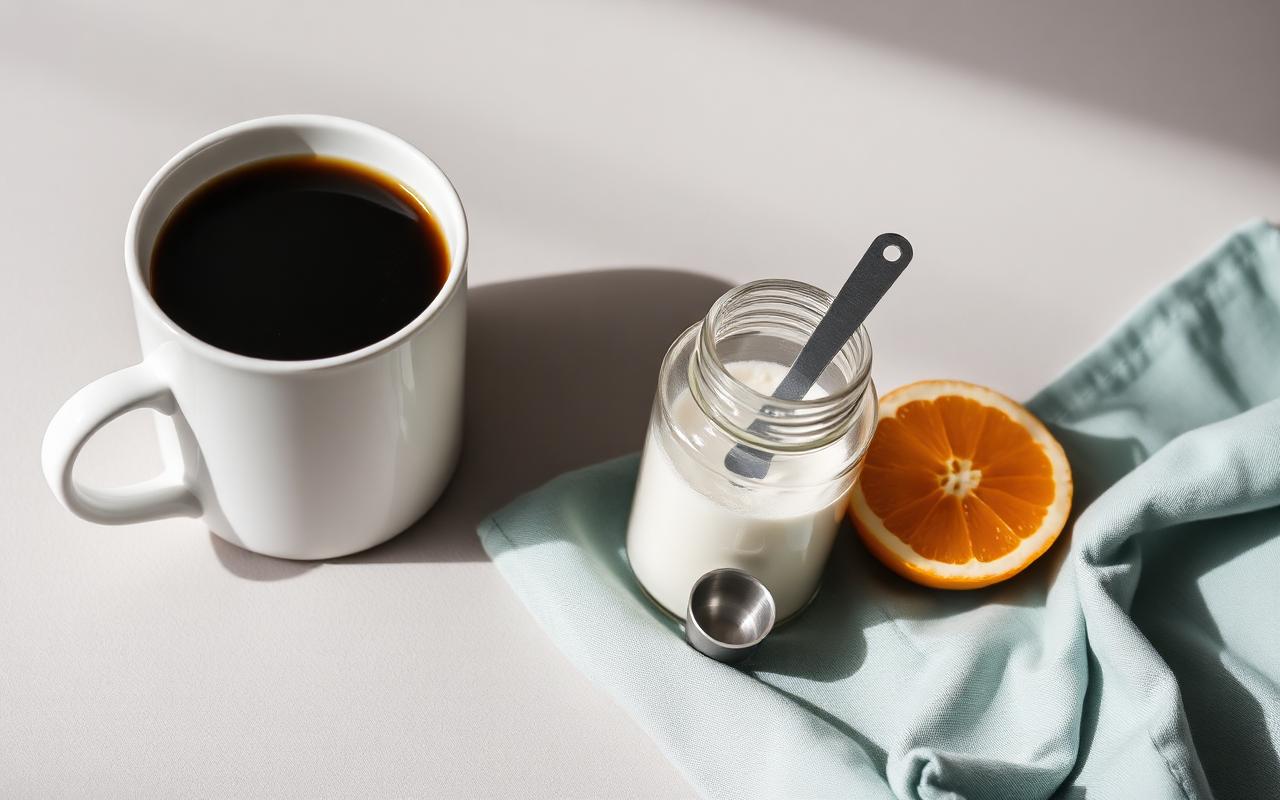
Collagen in Midlife — Does It Actually Work?
Some women swear by it, others say it's a waste of money — and both can be right. Why we lose collagen in midlife, what it does for skin, joints and bone, and why dose, vitamin C and consistency decide whether you notice anything.
Read article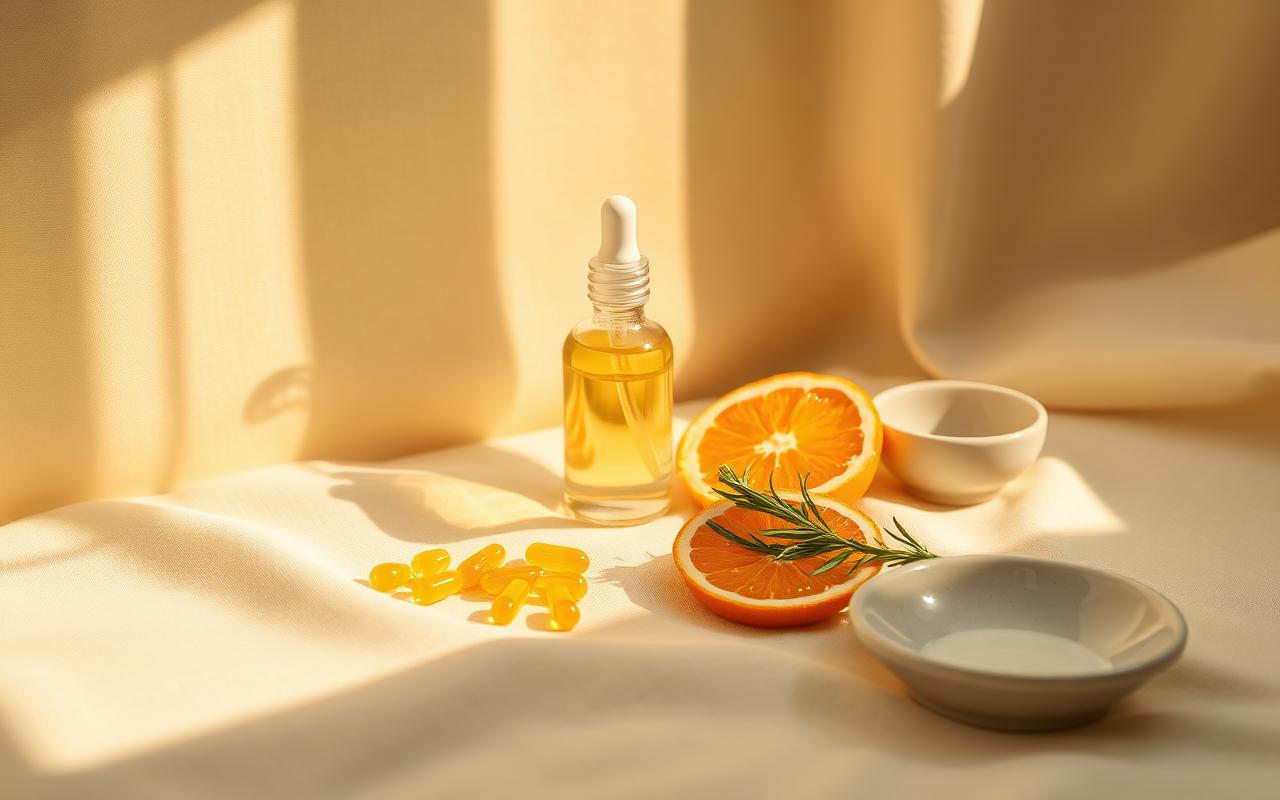
Vitamin D — The Hormone Most Midlife Women Are Missing
Vitamin D isn't really a vitamin — it's a hormone. Why it matters for bones, muscle, mood, immunity and metabolism in midlife, and what deficiency really looks like in women over 40.
Read article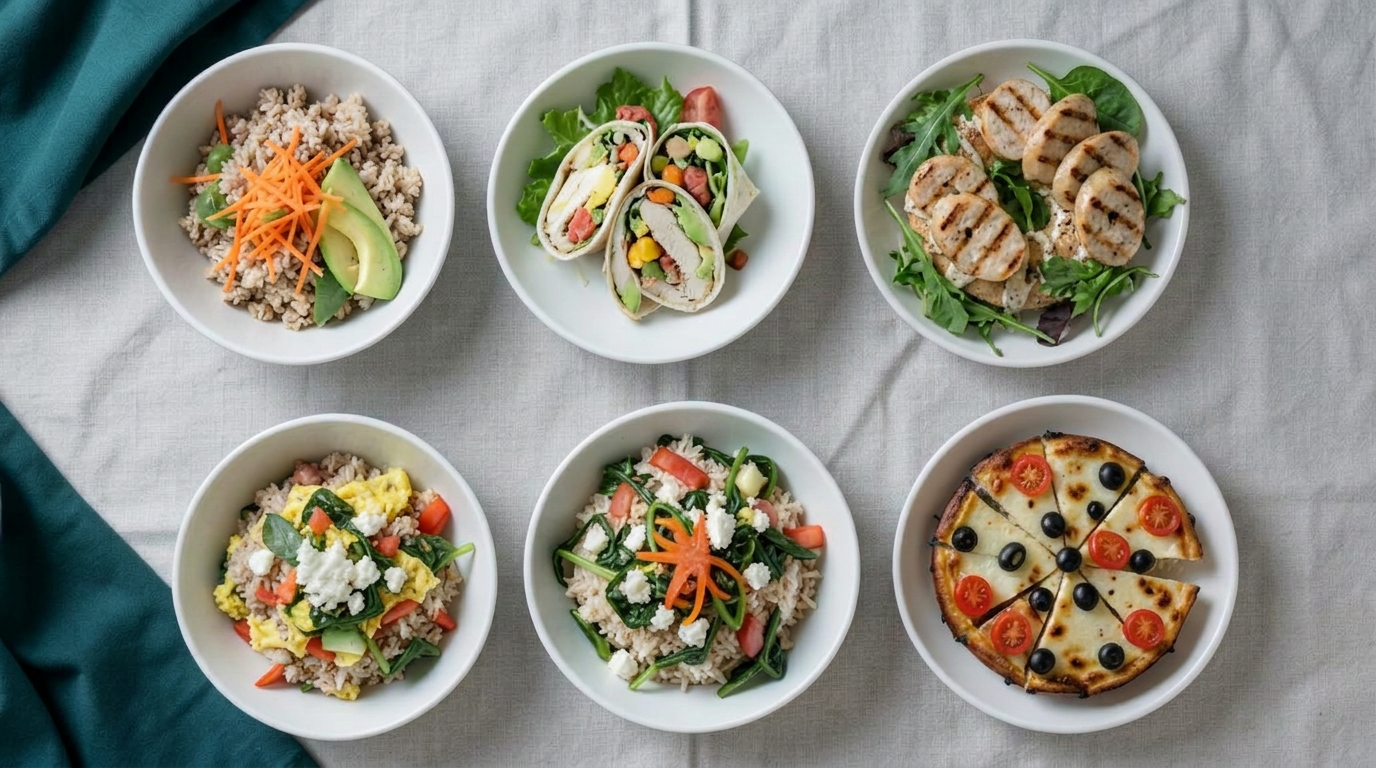
5 Quick & Balanced Lunches for Midlife Women
Five fast, satisfying lunches built around 30–35g protein, healthy fats and fibre for steady afternoon energy — plus the simple formula for building your own. Free printable recipe cards included.
🍂 September Edition · The Midlife ResetRead articleCan't find a convenient time? Email me at hello@craftyourbody.com and I'll find a slot that works for you.