Vitamin D — The Hormone Most Midlife Women Are Missing
By Caroline Grey, Founder of Craft Your Body

Vitamin D isn't really a vitamin — it's a hormone
We call it a vitamin, but vitamin D doesn't behave like one. A vitamin is something your body can't make and has to get from food. Vitamin D, by contrast, is mostly made by your own body — in your skin, when UVB sunlight hits it. Once produced (or absorbed from food or a supplement), it's converted by the liver and kidneys into its active form, which then travels through the bloodstream and binds to receptors in almost every cell in your body.
That last bit is what makes it a hormone. Hormones are chemical messengers that circulate, dock onto receptors and switch genes on and off. Vitamin D does exactly that — and there are vitamin D receptors in your bones, muscles, brain, immune cells, gut, breast tissue, ovaries and more. It influences over 1,000 different genes. It's not a small player.
And yet here in the UK, where grey skies are the national sport, the majority of adults — and especially women in midlife — are deficient or insufficient for most of the year. The NHS recommends everyone in the UK take a vitamin D supplement from October to March. In reality, many of us need it year-round.
How vitamin D actually works
When UVB rays hit your skin, a form of cholesterol is converted into vitamin D3 (cholecalciferol). Your liver then turns this into 25-hydroxyvitamin D — the form measured in a blood test. Finally your kidneys convert it into the active hormone, calcitriol, which travels around the body delivering instructions: absorb this calcium, build this bone, calm this immune cell, regulate this gene.
Several things in midlife make this whole system harder:
- Skin gets thinner with age, producing significantly less vitamin D from the same amount of sun exposure.
- We spend more time indoors and rightly use SPF, both of which reduce production.
- UK latitude means from roughly October to March, the sun isn't strong enough to make any vitamin D at all — no matter how long you sit outside.
- Falling oestrogen in perimenopause affects how the body uses vitamin D and calcium together for bone maintenance.
- Gut health, body fat percentage and certain medications can all interfere with absorption and activation.
The benefits of healthy vitamin D levels
Bone density and fracture prevention
Vitamin D's most established role is helping your body absorb calcium and phosphorus from food. Without enough of it, you can eat all the calcium in the world and still not absorb it properly. After menopause, falling oestrogen accelerates bone loss — and low vitamin D compounds it. Adequate levels are associated with stronger bones, lower risk of osteoporosis and fewer fractures. Combined with strength training, this is one of the most powerful things you can do to protect your skeleton for the next 30+ years.
Muscle strength and fall prevention
Your muscles have vitamin D receptors, which means low levels directly affect strength, power and balance. Studies in older adults consistently show that correcting a deficiency improves muscle function and reduces falls. For midlife women, this matters enormously — sarcopenia (age-related muscle loss) speeds up after 40, and a fall in your 60s or 70s is one of the single biggest predictors of long-term decline.
Mood, energy and cognitive function
Vitamin D receptors are present throughout the brain, and low levels are linked to fatigue, low mood, brain fog and a higher risk of depression — all symptoms perimenopausal women already battle thanks to fluctuating oestrogen. Many women I work with notice a real lift in mood and energy within weeks of correcting their levels. It isn't a magic bullet, but it's often a missing piece.
Immune function
Vitamin D helps regulate both the innate and adaptive immune systems. Adequate levels are linked to fewer respiratory infections, less severe colds and flu, and better outcomes from a range of illnesses. If you're someone who 'catches everything' over winter, your vitamin D status is one of the first things worth checking.
Hormonal and metabolic health
Vitamin D plays a role in insulin sensitivity, blood sugar regulation and the production of sex hormones — all of which become more challenging in midlife. Low levels are associated with insulin resistance, weight gain around the middle and worsening perimenopausal symptoms. Optimising vitamin D won't fix hormones on its own, but it removes a common roadblock.
What deficiency can cause
Vitamin D deficiency is sneaky. It rarely shows up as one dramatic symptom — instead it shows up as a constellation of "I just don't feel right" complaints that women are too often told are "just your age". Common signs include:
- Persistent fatigue that sleep doesn't fix.
- Aching muscles and joints, lower-back pain, or unexplained tenderness.
- Muscle weakness — heavier-feeling legs, struggling on stairs, slower recovery from training.
- Low mood, anxiety or "winter blues" that linger beyond the season.
- Frequent colds, flu or chest infections.
- Hair thinning and slower hair growth.
- Poor wound healing and bruising more easily.
- Bone pain, and over the longer term — osteopenia, osteoporosis and stress fractures.
- In severe, prolonged cases — osteomalacia (soft bones) in adults.
The tricky part: most of these overlap perfectly with perimenopause. Tiredness, low mood, achy joints, hair thinning, frequent colds — sound familiar? Which is exactly why I urge every woman I work with to get their vitamin D level tested rather than guessed at.
How to know your level — and what to do
You can ask your GP for a 25-hydroxyvitamin D blood test, or order an at-home finger-prick test. In the UK, levels are usually reported as nmol/L:
- Below 25 nmol/L — deficient.
- 25–50 nmol/L — insufficient.
- 50–75 nmol/L — adequate, but many functional medicine practitioners aim higher.
- 75–125 nmol/L — generally considered the optimal range for most adults.
Once you know your number, you can supplement appropriately. The NHS recommends 10 micrograms (400 IU) per day as a baseline for UK adults, but many midlife women need more — typically 1,000–2,000 IU daily, and sometimes higher under guidance — to get into the optimal range. Always pair vitamin D3 with vitamin K2, which directs calcium into bones and away from arteries. Take it with a meal containing fat, as it's fat-soluble.
And please — don't megadose without testing. Vitamin D is one of the few supplements where too much can genuinely cause harm (high blood calcium, kidney issues). More is not always better. Test, supplement, retest in 3–4 months, adjust.
The bottom line
Vitamin D is one of the simplest, cheapest, most evidence-based interventions available to women in midlife — and it's also one of the most under-utilised. It supports the bones you're trying to protect, the muscles you're trying to build, the mood you're trying to lift, the immune system you're trying to bolster and the metabolism you're trying to keep steady through hormonal change.
If you only do one new thing this month, get your level tested. Knowing your number changes everything — and once you're in the optimal range, you'll often wonder why you ever felt like you had to push through.
As always, this article reflects my own lived experience and what I personally implement and recommend. It's not medical advice — please discuss any new supplement, especially in higher doses, with your GP or a qualified practitioner, particularly if you take medication or have a health condition.
You may also enjoy
Keep reading — more practical advice from the Resource Hub.
Collagen in Midlife — Does It Actually Work?
Some women swear by it, others say it's a waste of money — and both can be right. Why we lose collagen in midlife, what it does for skin, joints and bone, and why dose, vitamin C and consistency decide whether you notice anything.
Read article
Why Every Midlife Woman Should Consider Creatine — My Daily 5g Habit
One of the most researched, safest and most underrated supplements for women in midlife. Why I take 5g of creatine monohydrate every day for muscle, bone, brain and energy.
Read article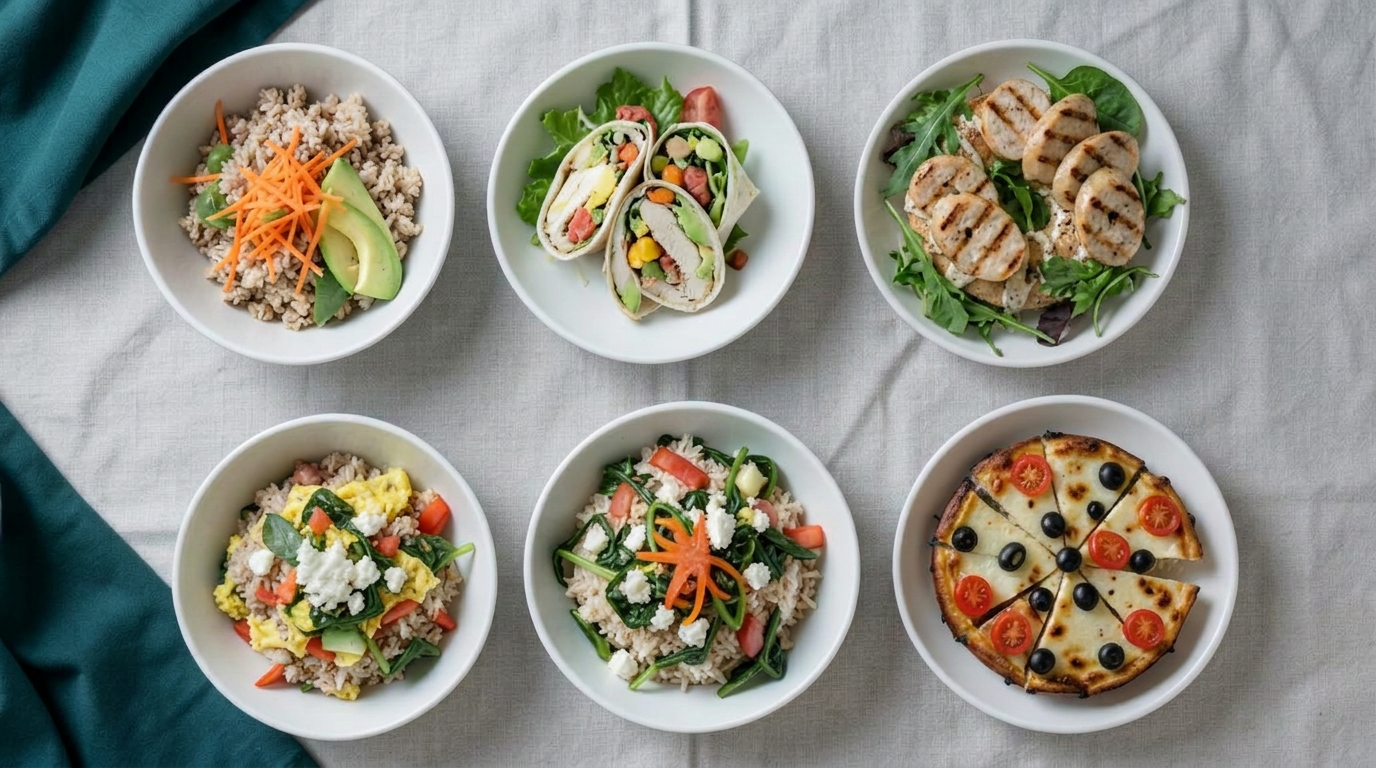
5 Quick & Balanced Lunches for Midlife Women
Five fast, satisfying lunches built around 30–35g protein, healthy fats and fibre for steady afternoon energy — plus the simple formula for building your own. Free printable recipe cards included.
🍂 September Edition · The Midlife ResetRead articleCan't find a convenient time? Email me at hello@craftyourbody.com and I'll find a slot that works for you.