Sleep in Midlife — My Top Tips for Better Sleep Through Perimenopause
By Caroline Grey, Founder of Craft Your Body
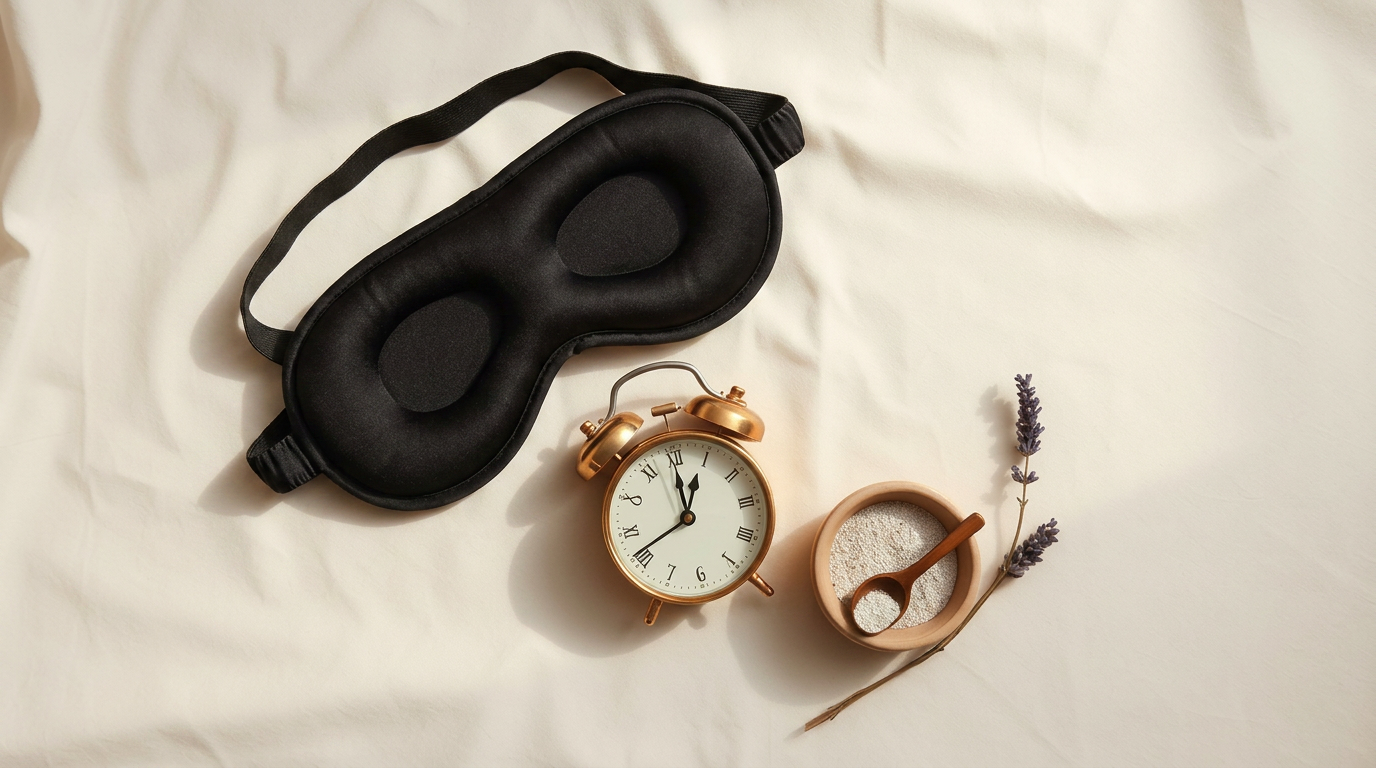
Why sleep falls apart in midlife
If there's one thing almost every woman I work with mentions, it's sleep. Falling asleep fine — then bolt awake at 3am. Tossing through hot flushes. Lying there with a racing mind, calculating how few hours are left until the alarm goes off. Sound familiar?
Sleep disruption is one of the earliest and most relentless symptoms of perimenopause and menopause — and one of the most under-discussed. Falling oestrogen and progesterone affect temperature regulation, the nervous system, cortisol patterns and the very architecture of your sleep cycles. Add the demands of midlife life — caring for ageing parents, teenagers, careers, mortgages — and it's no wonder sleep suffers.
The good news: there's a lot you can do. These are the five changes that have made the biggest difference to my own sleep, and the ones I recommend most often to my clients.
My top 5 sleep tips for midlife women
Wear a sleep mask & keep the room dark and cool
Even small amounts of light through the eyelids can suppress melatonin, the hormone that helps you fall and stay asleep. A good silk or contoured sleep mask blocks light completely — a game changer in summer or in rooms where blackout blinds aren't enough. I use a padded black sleep mask — you can find it on Amazon here. (As an Amazon Associate I may earn a commission from qualifying purchases.) Pair it with a cool bedroom (around 16–18°C / 60–65°F) which helps your core body temperature drop, the natural signal that tells your body it's time to sleep. In perimenopause, when night sweats and temperature dysregulation are common, a cooler room makes a huge difference.
View on AmazonSwap your phone for a traditional alarm clock
This is one of the simplest, most powerful changes I've made. Phones by the bed mean blue light exposure (which suppresses melatonin), late-night scrolling that overstimulates the nervous system, and the temptation to check it the moment you stir at 3am. A simple traditional alarm clock removes all of that. I use this classic alarm clock — you can find it on Amazon here. (As an Amazon Associate I may earn a commission from qualifying purchases.) Charge your phone in another room. Your sleep — and your mornings — will thank you.
View on AmazonMagnesium and taurine to calm the nervous system
Magnesium (I prefer magnesium glycinate or bisglycinate) supports the production of GABA — your brain's primary 'calm down' neurotransmitter. It helps relax muscles, soothe the nervous system and ease that wired-but-tired feeling so common in midlife. Taurine works alongside it, also supporting GABA activity, lowering cortisol and helping the body shift out of fight-or-flight into rest-and-digest. Together they're a quietly powerful pre-bed combination — particularly helpful when perimenopausal anxiety, racing thoughts or 3am wake-ups are disrupting your sleep.
Finish your last meal at least 3 hours before bed
Digestion and deep sleep don't mix. Eating late — or grazing in front of the TV — keeps your digestive system working when it should be winding down, raises blood sugar and core temperature, and is strongly linked to disrupted sleep, reflux and night waking. Aim to finish your last meal at least three hours before bed, and skip the late-night snacking. If you're genuinely hungry, a small protein-based snack is far better than carbs or sugar.
Back-load your water earlier in the day
Hydration matters — but timing matters too. If you're drinking large amounts of water in the evening you'll be up two or three times in the night, fragmenting your sleep cycles. Front-load your water from waking until early evening, then taper off in the couple of hours before bed. You'll still hit your hydration goals without the 2am bathroom trip.
Small changes, big results
None of these are dramatic. None of them are expensive. But layered together — consistently, night after night — they create the conditions your nervous system needs to drop into deep, restorative sleep, even through the hormonal turbulence of midlife.
Sleep is the foundation everything else sits on. Strength training, nutrition, hormonal balance, mood, motivation, fat loss — all of it works better when you're sleeping well. If you only change one thing this week, make it the phone-out-of-the-bedroom rule. It's free, takes 30 seconds, and the difference within a fortnight is genuinely surprising.
As always, if your sleep issues are severe, persistent or affecting your mental health, please speak to your GP or a menopause specialist. There's no medal for soldiering on.
You may also enjoy
Keep reading — more practical advice from the Resource Hub.

5 Quick & Balanced Lunches for Midlife Women
Five fast, satisfying lunches built around 30–35g protein, healthy fats and fibre for steady afternoon energy — plus the simple formula for building your own. Free printable recipe cards included.
🍂 September Edition · The Midlife ResetRead article
Why September is the Real New Year for Midlife Women
Forget January. September is when the season changes, the routine returns and you get to take back control before Christmas. Week one of the Midlife Reset — structure, protein and the habits that hold.
🍂 September Edition · The Midlife ResetRead article
Autumn Batch-Cook Chillies: Sweet Potato & Bean, and Classic Beef
Two warming one-pot chilli recipes for batch cooking through autumn. A slow-cooker sweet potato and bean vegetarian chilli and a classic lean beef chilli — both packed with protein, vegetables and fibre for women in midlife.
🍂 September Edition · The Midlife ResetRead articleCan't find a convenient time? Email me at hello@craftyourbody.com and I'll find a slot that works for you.